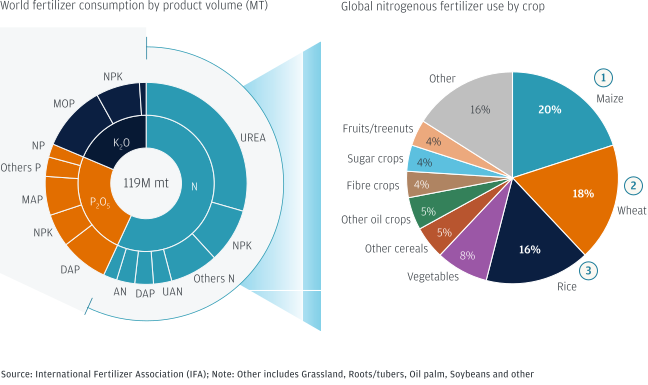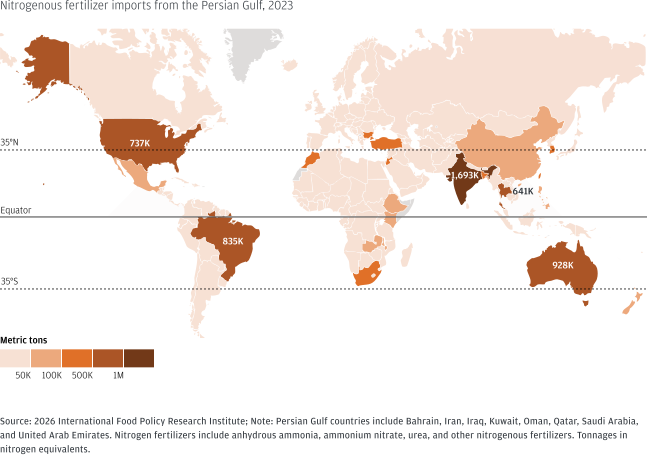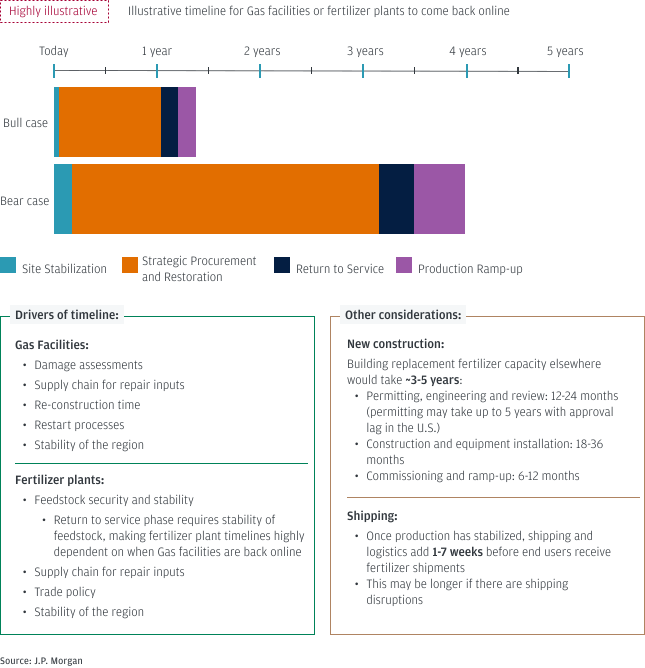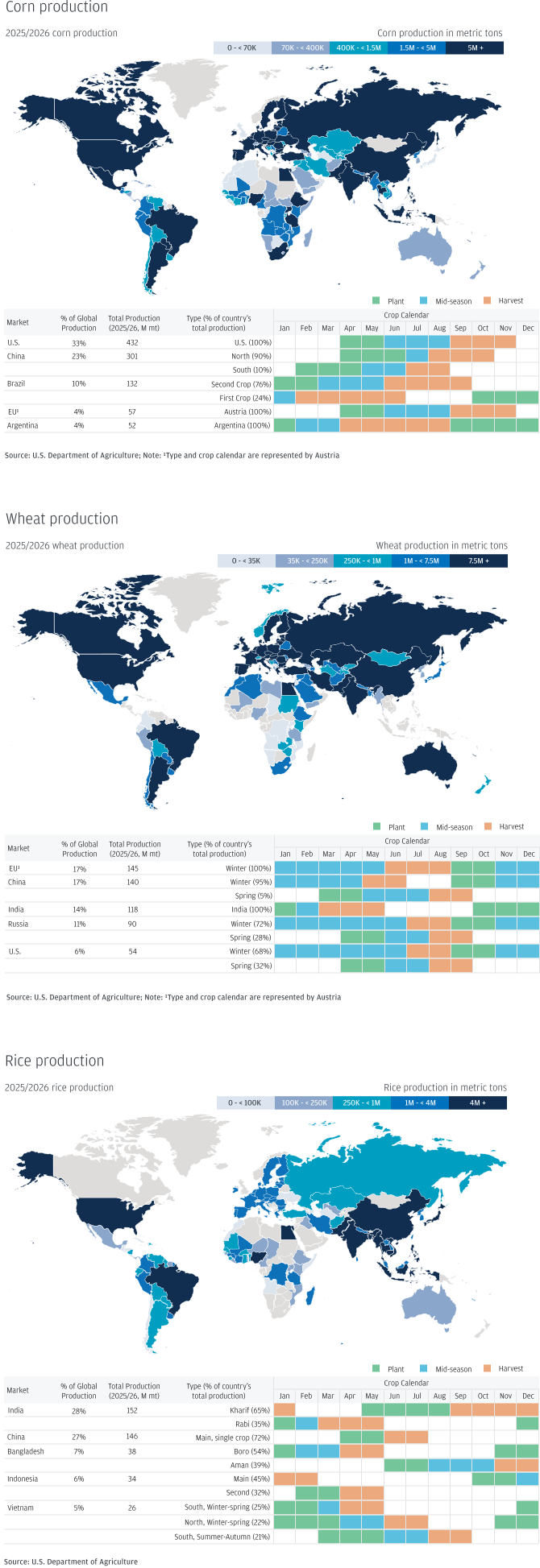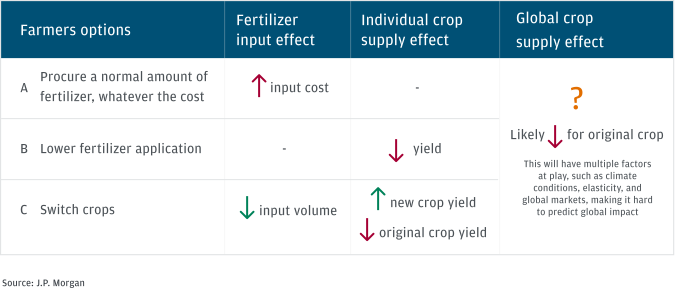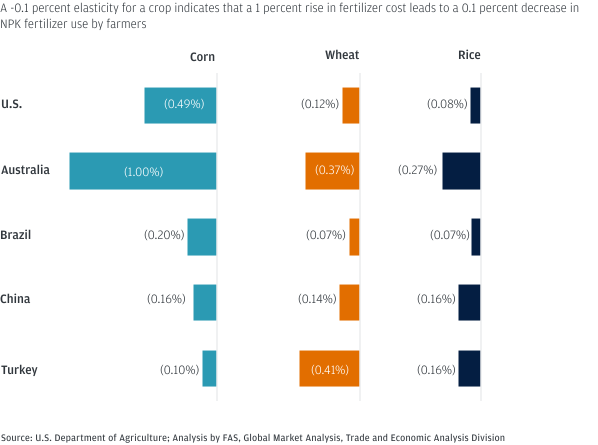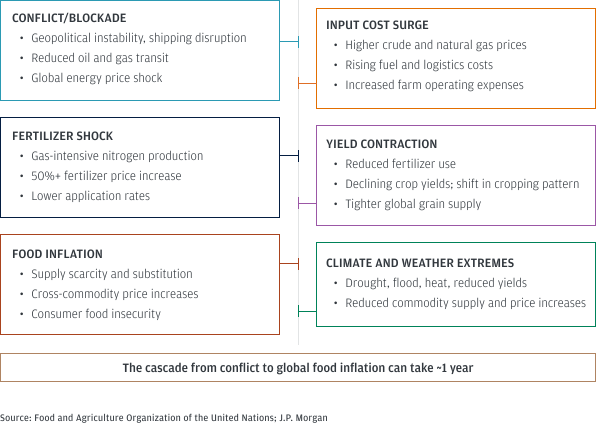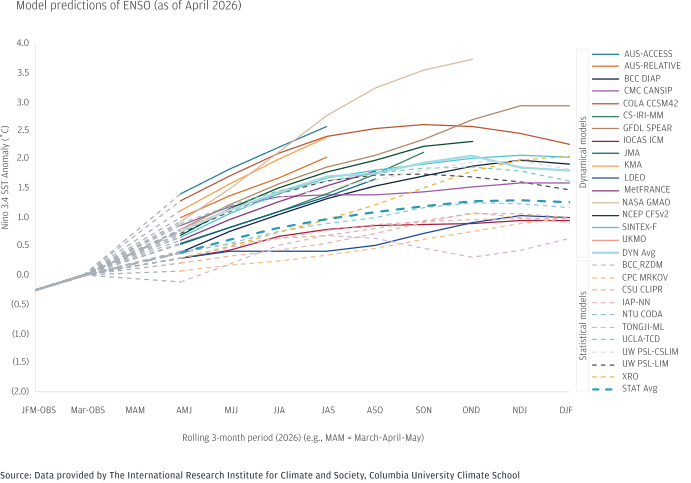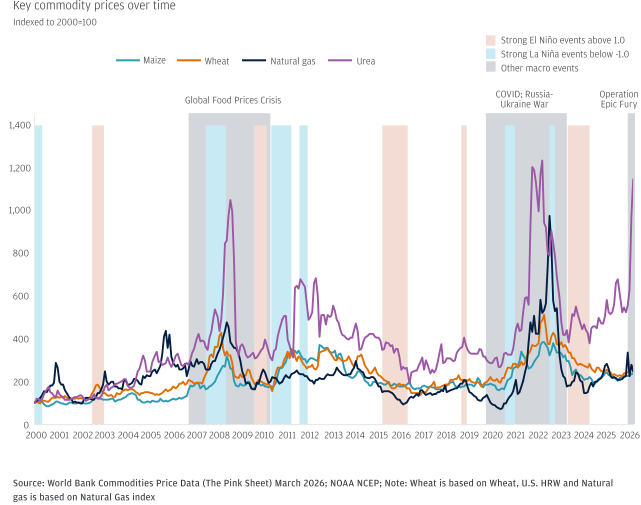








The food security piece highlighted where concentration risks in key farming inputs or climate sensitive crops could be threatened by trade disruptions or climate variability. We are seeing some of those vulnerabilities at play today, as emerging supply chain and business continuity threats are growing, amplified by natural gas price volatility and supply chain disruptions from the Iran conflict, a brewing El Niño and existing drought conditions.
This isn’t a new reality — we’ve been here before. In 2022, Russia invaded Ukraine, restricting access to and applications of potash and phosphorus fertilizers, lowering crop output and raising costs.i An El Niño later developed in mid-2023 with forecasts from central banks ii and commodity expertsiii that production could decline for certain staple crops after El Niño peak in early 2024. These effects did play out, but there were mitigating global factors for certain crops. For example, wheat remained stable globally due to increased harvests in the U.S. and India offsetting losses in Australia and China.iv However, for rice and cocoa, exports declined dramatically from India (rice)v and equatorial Africa (cocoa).vi
This edition of Climate Intuition highlights what to watch in the Persian Gulf, energy and fertilizer markets, and how climate variability (an El Niño) may exacerbate soft commodity outcomes.