

The extent of market concentration in SA’s agriculture sector is a perennial topic for debate, no doubt because of the complexity of the country’s food system, the dangers of generalisation, and some debilitating data problems.







The extent of market concentration in SA’s agriculture sector is a perennial topic for debate, no doubt because of the complexity of the country’s food system, the dangers of generalisation, and some debilitating data problems.
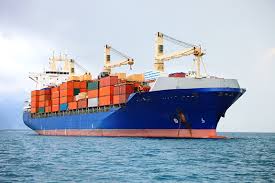
The situation at South Africa’s ports has become so bad that the citrus industry has said that the Transnet organisation is "perhaps the biggest threat to the country’s citrus industry".


An export-led strategy underpins South Africa's trade policy, which entails a deliberate effort to get the country's agriculture and other industrial sectors to export products beyond existing international markets.
Unlike several other African countries, SA has not faced a food shortage in the recent past. Food production has increased over the years and SA has remained a net exporter.
Unlike several other countries in the African continent, South Africa has not faced a food shortage in the recent past.

