




Last week South Africa received a $1 billion loan from the New Development Bank, the bank set up by the Brazil, Russia, India, China, and ourselves, often known as the Brics bank.


Last week South Africa received a $1 billion loan from the New Development Bank, the bank set up by the Brazil, Russia, India, China, and ourselves, often known as the Brics bank.


Last week the Ad Hoc Committee responsible for drafting an expropriation-without- compensation (EWC) constitutional amendment bill (the EWC Bill) invited three ministers, including minister of mineral resources and energy Gwede Mantashe, to put forward their comments on its draft to date.


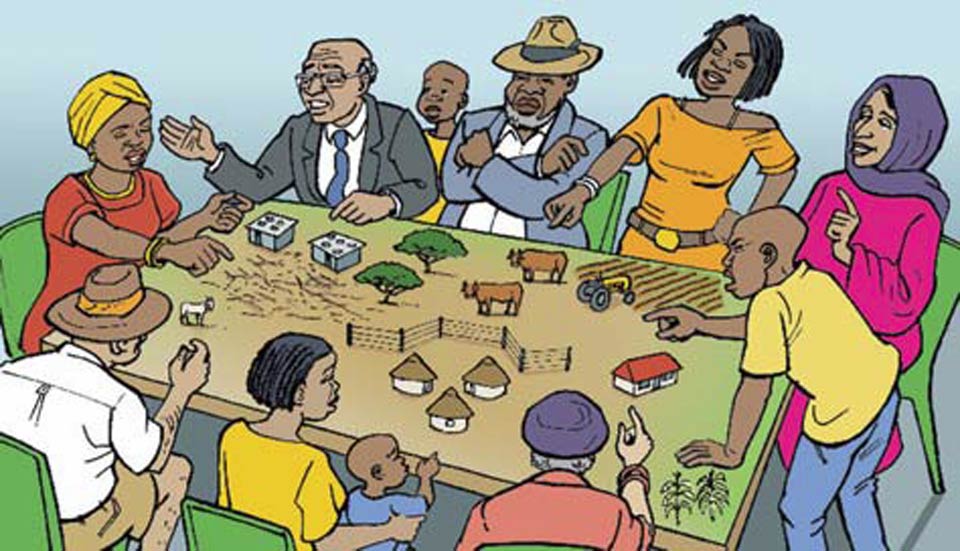
Much political, legislative and administrative time has been consumed by debate over expropriation without compensation, but it is worth recalling that in 1997 the ANC’s land reform policy was formulated along three pillars: restitution, redistribution and land reform.


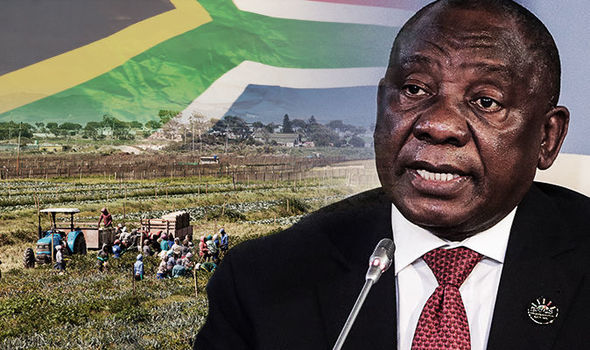
The Expropriation Without Compensation Bill, currently before Parliament, has the potential of devastating the South African economy.


For a country desperate for higher rates of investment to ignite sustainable economic growth, the Expropriation Bill, and the headlines that have accompanied its passage through parliament’s consultation processes, could not have been more poorly timed.


Judging by recently reported indicators of global economic activity, this outlook is now being borne out.
![]()
![]()