


The US and China have for the past three months been locked in discussions about how to overcome a trade dispute that has slowed Chinese economic growth and seen the US-China trade balance slump to a record low last year.








The US and China have for the past three months been locked in discussions about how to overcome a trade dispute that has slowed Chinese economic growth and seen the US-China trade balance slump to a record low last year.

Africa is facing dire times. Climate change is having major impacts on the region and on agriculture in particular, with smallholder farmers —many of them women — facing drought, general lack of water, shifting seasons, and floods in some areas.
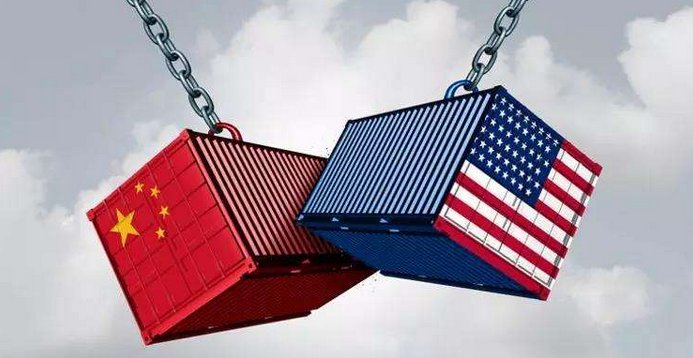
Both the United States and China have suffered more damage from the trade war than expected, Blu Putnam, CME Group chief economist and managing director, said at the opening session of INTL FCStone’s annual Global Markets Outlook conference.

Figures reveal no reduction in sales of meat and poultry in the 12 weeks up to 27 January 2019 despite a heavy media focus on Veganuary.
There has been no overall volumes for meat, fish and poultry (MFP) fall year on year according to Kantar Worldpanel's first update of 2019, which covers the 12 weeks to 27 January.

Evidence is now in and the verdict is that Africa’s agriculture is powering economic transformation in the region. African agriculture has shown remarkable improvement compared to its precarious state 15 years ago.

Zimbabwe's controversial land reform programme, which left most of its land without collateral value has meant the country is now carrying a dead asset, its Finance and Economic Development Minister Mthuli Ncube has said.
