
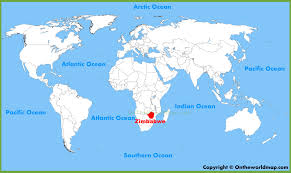

The Zimbabwean government is likely to give back some land to white farmers, after a land audit is set to be completed in March.








The Zimbabwean government is likely to give back some land to white farmers, after a land audit is set to be completed in March.

By now there is little doubt that the younger generation is rapidly changing the look and feel of the agricultural industry. Although inevitable, it still may be tough to swallow the fact that millennials now outnumber the baby boomers in this country. We’ve often talked about what this all means for the farmer and for food production in general. For this generation of up-and-comers food is personal. How, where and by whom food is produced matters a lot to them.

In 2017, there were nearly 40 million more people living in hunger than there were in 2015, according to the UN Food and Agriculture Organization (FAO)—a number that sets global progress against undernutrition back nearly a decade, despite a global, UN-led commitment to eradicate extreme poverty by 2030.

Fears last year over the prospects of the U.S. table grape market during and after the transition to Southern Hemisphere supplies have resulted in what is described by Chilean exporters as a supply shortage.

A survey released last week by the UN’s Food and Agriculture Organisation (FAO) confirms what many around the country already fear: the poor rains in the first half of the season and their inconsistency in the second have driven away farmers from the fields, blighted crops and left livestock teetering on the brink.

As a child, I remember feeling hungry most of the time. Growing up in rural Tanzania, I walked to school barefoot and most of the time had one meal a day. After school, I helped my mother with various farming chores, including feeding the animals, weeding, harvesting and planting.
